
 English
 Español
 Pусский
 العربية

Fabricant de pâte de piment
Chilli Paste Manufacturing: A Comprehensive Overview Chilli paste is a versatile and widely used condiment known for its bold, spicy flavor and rich texture. It is a staple in many cuisines, particularly in Asian, Latin American, and African dishes. The manufacturing process of chilli paste involves careful selection of ingredients, precise processing techniques, and strict quality control to ensure a consistent, high-quality product. 1. Ingredient Selection The primary ingredient in chilli paste is fresh or dried chillies, chosen based on their heat level, flavor profile, and color. Common varieties include bird’s eye chillies, jalapeños, habaneros, or cayenne peppers. Additional ingredients may include garlic, ginger, vinegar, salt, sugar, and various spices to enhance taste and shelf life. High-quality, pesticide-free chillies are essential to ensure food safety and superior flavor. 2. Preparation and Processing The manufacturing process begins with washing and sanitizing the chillies to remove dirt and contaminants. If dried chillies are used, they are rehydrated before processing. The chillies are then blended or ground into a smooth or coarse paste, depending on the desired texture. Other ingredients, such as garlic and spices, are finely minced or pureed before being mixed into the paste. To ensure uniformity, industrial-grade mixers and grinders are used. Some manufacturers roast or ferment the chillies beforehand to develop deeper, more complex flavors. The paste is then cooked at controlled temperatures to enhance taste, eliminate bacteria, and improve shelf stability. 3. Quality Control and Packaging Before packaging, the chilli paste undergoes rigorous quality checks, including pH testing, microbial analysis, and sensory evaluation to ensure safety and consistency. Once approved, the paste is filled into sterilized jars, bottles, or pouches using automated filling machines to maintain hygiene. To extend shelf life, preservatives such as vinegar or citric acid may be added, though some manufacturers opt for natural preservation methods. The final product is labeled with ingredient lists, nutritional information, and expiration dates before distribution. 4. Applications and Market Demand Chilli paste is used in cooking, marinades, dips, and sauces, making it a popular choice among home cooks and food manufacturers. The growing demand for spicy and ethnic flavors has increased its global market presence. Manufacturers continuously innovate by introducing variants like smoked chilli paste, sweet chilli paste, or organic options to cater to diverse consumer preferences. Conclusion Producing high-quality chilli paste requires expertise in ingredient selection, processing, and quality assurance. A well-made chilli paste delivers intense heat, rich flavor, and versatility, making it an essential condiment in kitchens worldwide. By adhering to strict production standards, manufacturers can ensure a product that meets both culinary and safety expectations.
Produit
Catégorie:
-
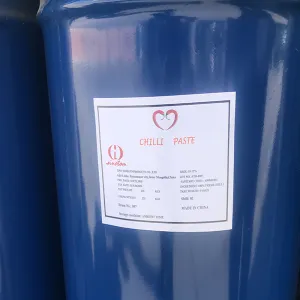
Pâte de piment de qualité supérieure à la saveur riche et ardente
Leur classification: Autres produitsVues: 659Numéro:Temps de libération: 2025-12-03 17:19:42La pâte de piment est un assaisonnement concentré à base de piments de haute qualité, soigneusement moulus et mélangés pour obtenir une chaleur, une couleur et une saveur constantes. Connue pour sa teinte rouge vif et son piquant équilibré, la pâte de piment est largement utilisée dans les sauces, les marinades, les soupes, les sautés et les aliments transformés. Il fournit un ingrédient fiable et prêt à l'emploi pour les cuisines professionnelles et la production alimentaire industrielle, garantissant la cohérence et l'intensité de la saveur d'un lot à l'autre. Conditionnée dans des bocaux, des sachets ou des contenants en vrac, la pâte de piment conserve une longue durée de conservation avec une dégradation minimale de la qualité lorsqu'elle est stockée dans des conditions appropriées. Sa polyvalence et sa chaleur concentrée le rendent essentiel pour rehausser les profils de saveurs dans les cuisines du monde.
Actualités
Catégorie:
-
[Company News]Diced Tomato Paste for Mass-Produced Pasta Sauces
2026-03-21 07:39:18 -
[Company News]Why Aseptic Diced Tomato Paste Improves Production Output
2026-04-08 06:18:37 -
[industry news]Key Chemical Indicators Used in Tomato Paste Quality Testing
2026-04-16 07:28:08 -
[industry news]Common Quality Defects in Tomato Paste and How to Avoid Them
2026-04-18 07:20:09 -
[industry news]The Impact of Metal Cans vs Pouches on Tomato Paste Oxidatio...
2026-04-21 07:10:05 -
[industry news]Industrial Tomato Paste Blending and Standardization Techniq...
2026-04-30 08:04:10 -
[industry news]How Packaging Formats Influence Tomato Paste Shelf Life
2026-05-07 05:49:39 -
[industry news]The Role of Drum Liners in Bulk Tomato Paste Hygiene
2026-06-13 02:10:55 -
[industry news]Key Trends in Sustainable Tomato Paste Cultivation
2026-06-18 02:12:19 -
[Company News]Industrial Grinding Compatibility with Diced Tomato Paste
2026-07-03 04:30:52 -
[Company News]Diced Tomato Paste as a Base Ingredient in Frozen Foods
2026-07-28 02:01:32 -
[Company News]How Diced Tomato Paste Performs in Frozen Meal Production
2026-08-05 02:03:34
Affaire
Catégorie:
Aucun résultat de recherche!
Vidéo
Catégorie:
Aucun résultat de recherche!
Téléchargement
Catégorie:
Aucun résultat de recherche!
Recrutement
Catégorie:
Aucun résultat de recherche!
Produits recommandés
Aucun résultat de recherche!

 Téléphone : +86-0478-8271258
 E-mail : e-mail à sales@sinotom.com
 Adresse : 7F, JINTAI BLDG, SHENGLI RD, LINHE DIST, BAYANNAOER CITY, INNER MONGOLIA, CHINE.



 WhatsApp
 Téléphone