
 English
 Español
 Pусский
 العربية

Prix de la pâte de tomate en conserve 850G
The Price of 850g Canned Tomato Paste: Factors and Considerations The price of an 850g canned tomato paste is influenced by multiple factors, including raw material costs, production processes, packaging, transportation, and market demand. Understanding these elements helps consumers make informed purchasing decisions while recognizing the value behind the product. 1. Raw Material Costs Tomato paste is made from concentrated tomatoes, and its price heavily depends on the cost of fresh tomatoes. Factors such as weather conditions, crop yields, and agricultural practices impact tomato supply. Poor harvests due to droughts, excessive rain, or pests can reduce availability, driving prices up. Conversely, a bumper crop may lower costs. Additionally, the quality of tomatoes used—whether organic or conventionally grown—affects pricing, with organic options typically being more expensive. 2. Production and Processing The manufacturing process involves washing, crushing, heating, and concentrating tomatoes to remove excess water, resulting in a thick paste. Energy costs for processing, labor expenses, and adherence to food safety regulations contribute to the final price. Some manufacturers use advanced techniques to preserve flavor and nutrients, which may increase production costs but enhance product quality. 3. Packaging and Branding Canned tomato paste is usually packaged in metal cans or tetra packs, both of which protect the product from light and air to extend shelf life. The type of packaging material, along with labeling and branding efforts, can influence pricing. Eco-friendly or resealable packaging may come at a premium compared to standard options. 4. Transportation and Distribution Shipping costs depend on fuel prices, distance, and supply chain efficiency. Imported tomato paste may be priced higher due to tariffs, customs fees, and longer transportation routes. Local or regionally produced options might offer more competitive pricing by reducing logistical expenses. 5. Market Demand and Competition Consumer demand fluctuates based on culinary trends, seasonal cooking habits (e.g., higher demand in winter for soups and stews), and promotional campaigns. Competitive markets with multiple brands may drive prices down, while niche or premium products could command higher rates. 6. Retail Markup Supermarkets, online retailers, and wholesale suppliers apply their own margins, affecting the final retail price. Discounts, bulk purchasing options, and store promotions can make the product more affordable. Conclusion The price of 850g canned tomato paste reflects a combination of agricultural, industrial, and commercial factors. While budget-conscious shoppers may prioritize affordability, others might value organic certification, sustainable packaging, or superior taste. By evaluating these aspects, consumers can choose a product that aligns with their preferences and budget.
Produit
Catégorie:
-
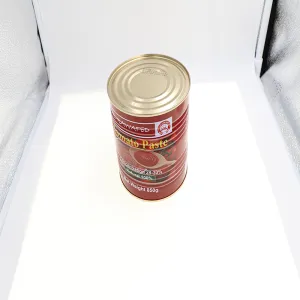
850 g de concentré de tomate en conserve
Leur classification: tomates en conserveVues: 733Numéro:Temps de libération: 2025-12-03 14:42:29La pâte de tomate en conserve de 850 g offre une saveur de tomate riche et concentrée adaptée aux applications de cuisine domestique et industrielle. Son format plus grand de 850 g offre une option efficace pour les cuisines à gros volume, les fabricants de produits alimentaires et les services de restauration qui nécessitent un goût, une couleur et une texture homogènes. La pâte est produite à partir de tomates mûres de haute qualité, raffinées et concentrées pour offrir un corps lisse et épais avec une acidité naturelle et un arôme fort. Conçue pour les ragoûts, les sauces, les marinades et la production de plats cuisinés, la pâte de tomate en conserve de 850 g garantit des performances stables pendant les longs processus de cuisson. Son emballage durable et sa durée de conservation prolongée permettent un stockage fiable et une planification rationalisée des approvisionnements.
Actualités
Catégorie:
-
[industry news]Comment est fabriquée la pâte de tomate en conserve : la tra...
2025-12-05 14:53:41 -
[Company News]Understanding Color Metrics for Diced Tomato Paste
2026-02-01 07:49:42 -
[industry news]Canned Tomato Paste Additive-Free vs Conventional Options
2026-02-04 07:58:06 -
[industry news]Common Quality Defects in Tomato Paste and How to Avoid Them
2026-04-18 07:20:09 -
[industry news]How to Reduce Production Costs Using Canned Tomato Paste
2026-04-22 07:17:07 -
[industry news]How to Read Technical Data Sheets for Tomato Paste
2026-05-05 06:11:26 -
[Company News]How to Reduce Waste in Diced Tomato Paste Production
2026-05-06 06:20:07 -
[industry news]Global Consumption Patterns for Tomato Paste Products
2026-05-09 05:54:36 -
[industry news]The Role of pH Levels in Canned Tomato Paste Stability
2026-05-18 12:22:03 -
[Company News]Understanding the Supply Chain of Diced Tomato Paste
2026-06-05 02:09:42 -
[industry news]Canned Tomato Paste for Sauce, Soup, and Stew Manufacturing
2026-06-20 02:00:42 -
[industry news]Key Factors That Influence Tomato Paste Yield in Processing
2026-06-30 02:05:40
Affaire
Catégorie:
Aucun résultat de recherche!
Vidéo
Catégorie:
Aucun résultat de recherche!
Téléchargement
Catégorie:
Aucun résultat de recherche!
Recrutement
Catégorie:
Aucun résultat de recherche!
Produits recommandés
Aucun résultat de recherche!

 Téléphone : +86-0478-8271258
 E-mail : e-mail à sales@sinotom.com
 Adresse : 7F, JINTAI BLDG, SHENGLI RD, LINHE DIST, BAYANNAOER CITY, INNER MONGOLIA, CHINE.



 WhatsApp
 Téléphone